
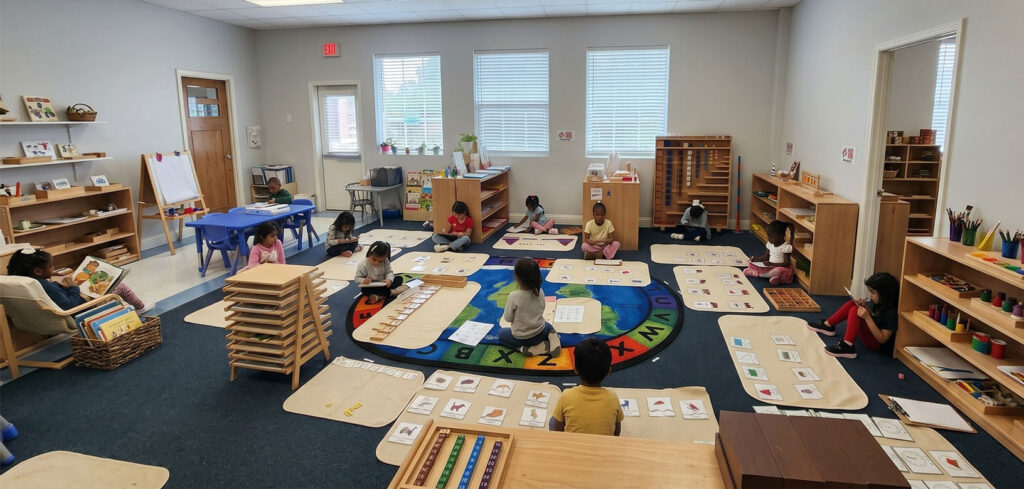
Why Elementary School Classrooms Influence Student Success
Parents increasingly recognize how much classroom size can influence a child’s learning experience and emotional development. Smaller learning environments often allow students to receive more personalized attention, stronger teacher support, and greater confidence in classroom participation. Elementary school classrooms designed around smaller learning communities help students build meaningful connections, improve engagement, and develop stronger academic foundations.
At Happy Flower Montessori Elementary School, we believe that smaller learning communities create the ideal environment for curiosity, confidence, and meaningful learning.
More Attention for Every Student
One of the clearest advantages of smaller classrooms is the increased opportunity for individualized attention. When teachers work with fewer students, they can better understand each child’s learning style, strengths, and challenges.
Research shows that students in smaller classes often:
- Achieve higher academic performance
- Participate more actively in discussions
- Develop stronger relationships with teachers
- Demonstrate improved classroom behavior
This personalized interaction helps students build confidence and stay engaged in their learning. Research shows elementary school classrooms with smaller student groups often improve participation and confidence.
Supporting Social and Emotional Development
Elementary school is not only a time for academic learning. It is also when children develop important social and emotional skills such as empathy, communication, and teamwork.
Smaller classrooms create an environment where students can:
- Form meaningful friendships
- Practice collaboration
- Learn conflict resolution skills
- Feel comfortable expressing their ideas
Research suggests that smaller educational environments can positively influence both academic achievement and emotional well-being.
Encouraging Curiosity and Participation
In larger classrooms, some students may feel hesitant to speak up or ask questions. In smaller groups, children often feel more comfortable participating in discussions and sharing their ideas.
This active participation plays a crucial role in learning because it encourages students to think critically and engage deeply with new concepts. Students in elementary school classrooms with personalized learning environments typically feel more engaged academically.
A Learning Environment That Feels Like Community
Many families describe small elementary schools as feeling more like learning communities than institutions. Teachers, students, and parents often develop close relationships that strengthen the overall educational experience.
These connections help create a supportive environment where children feel safe to explore, make mistakes, and grow.
Building the Foundation for Success
The elementary years represent one of the most important periods in a child’s educational journey. When children receive personalized attention, meaningful guidance, and opportunities for exploration, they develop the skills needed for future success.
At Happy Flower Montessori Elementary School, our small learning communities allow every child to be seen, heard, and supported. Well-designed elementary school classrooms help children develop stronger communication and collaboration skills.
Because when education begins with connection, curiosity, and care, children gain the confidence to shape their own futures.

